
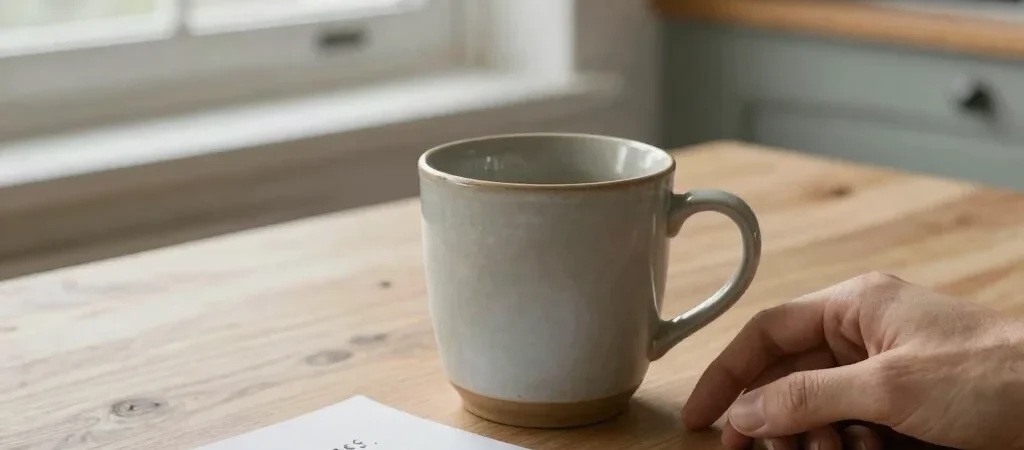
The meeting is running late, your coffee is cooling, and someone asks a question you have already answered. In that half-second before you respond, patience is less about feeling calm than choosing what your irritation gets to do.
Make room before reacting
A pause does not have to be dramatic. You might take one breath, let the other person finish, or ask yourself what you actually need to say. That small bit of space can keep a moment of frustration from turning into a sharp reply you did not mean to give.
Patience is not passivity
Being patient does not mean accepting every delay or letting someone ignore a boundary. You can say, “I need an answer by this afternoon,” without adding an insult or a threat. The point is not to erase your needs; it is to express them in a way that leaves room for the other person’s dignity too.
Practice in ordinary moments
Choose a familiar friction point—a slow line, a crowded kitchen, or a family member who tells a long story—and notice your first impulse. You do not have to judge it or turn the moment into a test of character. Try one deliberate pause, then decide what response will make the situation better rather than simply release your annoyance.